
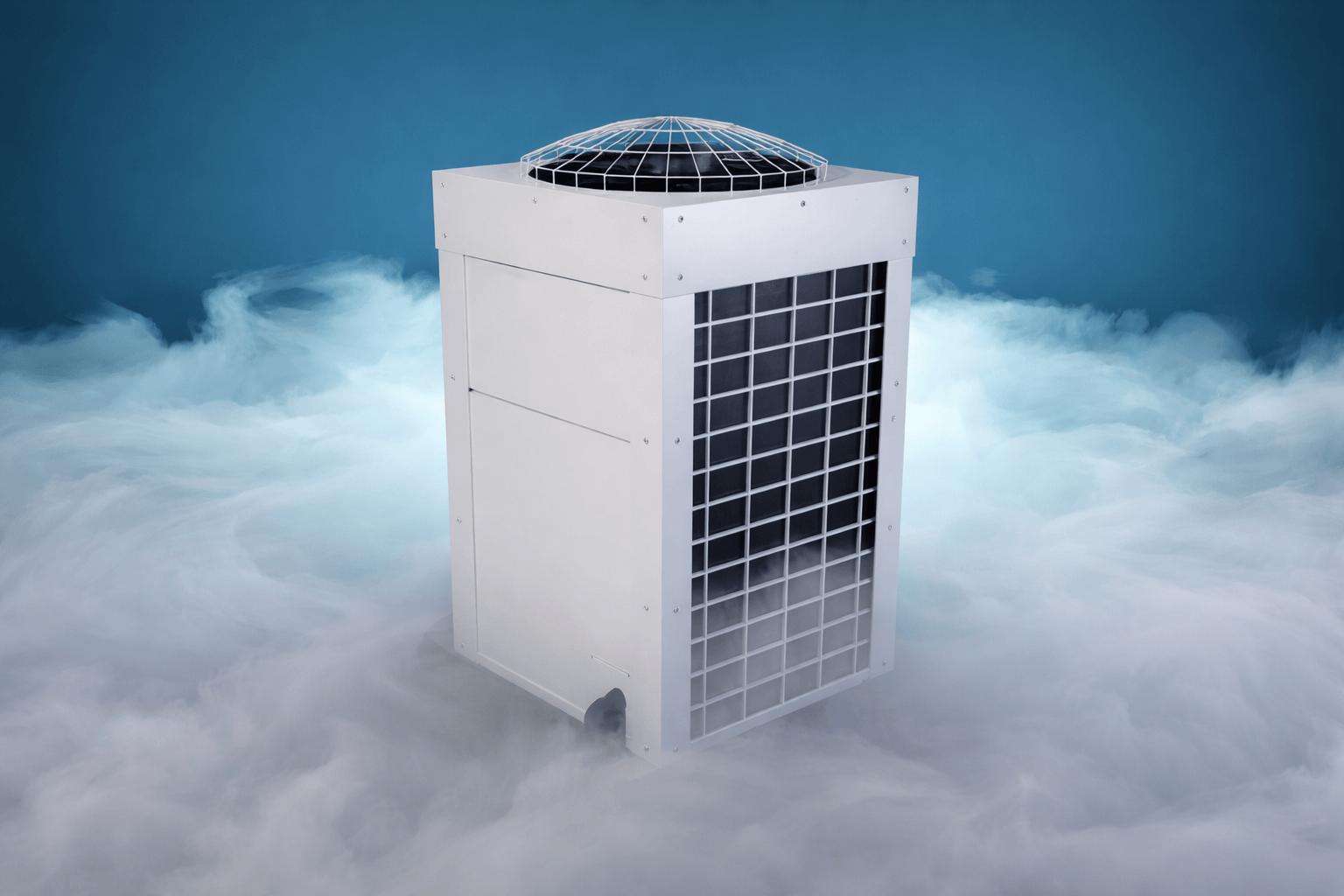
Cooling in commercial buildings isn’t just about comfort anymore. It’s part of the core infrastructure. Offices, hospitals, malls, and hotels all rely on air conditioning systems that can run for long hours without breaking down or wasting energy. When the cooling fails, people notice immediately. Work slows down, equipment heats up, and honestly, the whole environment just feels off. That’s where VRV in HVAC technology usually enters the conversation.
The VRV system is designed to manage cooling more intelligently across large buildings. Instead of blasting the same amount of cooling everywhere like traditional systems often do, a VRV air conditioner adjusts the refrigerant flow depending on what each area actually needs.
And that matters more than you’d think. In commercial buildings, occupancy changes all the time. One room might be full of people while another sits empty for hours. Equipment generates heat. Sunlight hits certain areas harder. Cooling demand keeps shifting.
VRV systems respond to those changes in real time. Less wasted energy. Better temperature control. Less stress on the system overall.
For companies planning large HVAC setups, working with experienced HVAC Dealers in Chennai like Techno Power Aircons can make a real difference. Proper design and installation usually determine whether the system performs well for years or turns into a maintenance headache later.
What Is VRV in HVAC?
Understanding VRV Technology
At its core, VRV in HVAC refers to an air conditioning system where one outdoor unit can support multiple indoor units while adjusting the refrigerant flow dynamically.
Traditional AC systems typically run at fixed capacity. They turn on, cool aggressively, then switch off. Then repeat the cycle. VRV systems don’t work like that.
Instead, they adjust compressor speed continuously. Cooling output changes depending on what each room or zone actually requires at that moment.
So in simple terms, a VRV air conditioner cools spaces individually without wasting energy cooling empty areas.
A few defining features usually include:
- Multiple indoor units connected to a single outdoor unit
- Inverter-driven compressors with variable speed
- Independent temperature control for each zone
- Demand-based energy usage
This kind of flexibility makes VRV systems especially useful in commercial buildings where cooling needs change throughout the day.
How VRV Systems Differ from Traditional HVAC Systems
Most traditional HVAC setups follow a pretty simple logic. Once the system turns on, it runs at full power until the temperature drops enough. Then it shuts off.
That cycle repeats over and over.
VRV systems approach cooling differently.
Traditional HVAC Systems
Conventional centralized systems often rely on large duct networks and fixed output levels. They work, of course, but they can also bring a few downsides:
- Higher energy consumption
- Limited temperature control between areas
- Larger mechanical infrastructure
- Less flexibility when buildings change layout
VRV Systems
With VRV in HVAC, cooling behaves in a much more responsive way.
These systems typically offer:
- Adjustable cooling capacity
- Independent zone control
- Better energy efficiency
- Compact system architecture
For building operators, that flexibility means maintaining comfortable temperatures without constantly overworking the system.
Benefits of VRV Systems in Commercial Buildings
Energy Efficiency
Energy efficiency is usually the first thing facility managers talk about when discussing VRV systems.
A VRV air conditioner adjusts compressor speed depending on demand. That means the system doesn’t keep switching on and off at full power like older systems often do.
This smoother operation reduces electricity usage and avoids unnecessary strain on components.
In buildings that run air conditioning all day, offices, hospitals, and retail spaces, those efficiency improvements become noticeable over time.
Zoning Flexibility
Commercial buildings rarely have uniform cooling needs.
A meeting room filled with people heats up quickly. An empty conference room barely needs cooling. Reception areas see constant movement while cabins remain stable.
With VRV in HVAC, each zone can be controlled independently.
That means:
- Different rooms can maintain different temperatures
- Energy isn’t wasted cooling unused spaces
- Temperature stability improves across the building
Offices, hotels, hospitals, and malls all benefit from this kind of flexibility.
Space-Saving Design
Commercial buildings place huge value on usable space.
Traditional HVAC systems sometimes require large mechanical rooms and extensive ductwork. VRV systems reduce that need with compact outdoor units and flexible piping networks.
Architects usually appreciate this part. It allows them to design modern layouts without worrying about bulky HVAC infrastructure getting in the way.
Improved Comfort and Quieter Operation
This benefit often gets overlooked.
Traditional systems can be noisy because compressors repeatedly start and stop. VRV systems operate more gradually.
Instead of sudden bursts of activity, compressors adjust speed smoothly. The result is:
- More stable temperatures
- Fewer sudden temperature swings
- Lower operating noise
In workplaces or hospitality spaces, that quieter environment adds to overall comfort.
Installation of VRV Systems
Even the best technology won’t perform well if installation is done poorly. VRV systems are no exception.
Proper planning is essential.
Site Evaluation
Before anything is installed, engineers typically analyze several factors:
- Building layout
- Occupancy patterns
- Equipment heat output
- Sun exposure
Accurate load calculations ensure the system is sized correctly. Oversized systems waste energy. Undersized systems struggle constantly.
Neither scenario is ideal.
System Design
Once the load analysis is complete, the system layout is designed.
This includes decisions about:
- Outdoor unit placement
- Indoor unit selection
- Refrigerant piping routes
- Electrical configuration
Experienced VRF/VRV AC dealers in Chennai usually play a key role at this stage, since design mistakes here can affect long-term performance.
Installation Process
During installation:
- Outdoor units are placed in ventilated areas
- Indoor units are installed based on layout plans
- Refrigerant piping and wiring are connected
- Insulation and drainage systems are completed
After installation, the system undergoes testing and commissioning to make sure everything operates correctly.
Maintenance and Troubleshooting
Even advanced HVAC systems need regular attention.
Routine servicing helps maintain efficiency and prevents unexpected failures.
Preventive Maintenance
Typical maintenance tasks include:
- Cleaning air filters and indoor coils
- Checking refrigerant pressure levels
- Inspecting electrical connections
- Monitoring compressor operation
Access to reliable AC spare parts in Chennai is important for keeping systems running smoothly over the long term.
Troubleshooting Common Issues
VRV systems are generally reliable, but occasional issues can still happen.
Some common problems include:
- Refrigerant leakage
- Airflow restrictions from clogged filters
- Sensor calibration issues
- Electrical faults
Working with trained HVAC professionals usually ensures these problems are handled quickly before they grow into bigger concerns.
VRV vs VRF Systems
People often get confused between VRV and VRF.
In practice, both technologies work almost the same way.
The main difference is actually in the naming.
- VRV is a trademarked term created by Daikin.
- VRF is the generic industry term used by other manufacturers.
Technically speaking, both systems regulate refrigerant flow to match cooling demand across multiple indoor units.
Leading manufacturers now offer advanced solutions based on VRV in HVAC technology, with brands like Daikin, Mitsubishi Electric, and O General playing a major role in commercial air conditioning projects worldwide.
These companies have developed highly efficient VRV or VRF systems designed to handle large buildings, complex layouts, and continuous cooling demands. Their systems focus on intelligent refrigerant control, stable performance, and long-term reliability, which makes them suitable for offices, hospitals, hotels, and large commercial complexes.
While each brand has its own technologies and system designs, they all follow the same core concept of delivering flexible cooling through multiple indoor units connected to a centralized outdoor system, ensuring consistent indoor comfort and better energy management in modern commercial spaces.
Choosing the Right HVAC Partner
Selecting the right HVAC partner matters just as much as choosing the equipment itself.
Experienced HVAC Dealers in Chennai help businesses determine the correct system configuration based on building size, usage patterns, and long-term performance goals.
Reliable HVAC providers usually offer:
- Professional system design
- Certified installation teams
- Preventive maintenance services
- Genuine replacement components
Companies such as Techno Power Aircons focus on complete HVAC solutions, covering system planning, installation, and ongoing maintenance support.
Conclusion
Commercial buildings keep getting more complex. Occupancy fluctuates, energy costs rise, and comfort expectations remain high. Traditional cooling systems sometimes struggle to keep up with those demands.
That’s where VRV in HVAC technology becomes useful.
With intelligent refrigerant control, flexible zoning, and improved efficiency, VRV systems offer a practical solution for many commercial environments.
Still, the technology alone isn’t enough. Proper system design, careful installation, and consistent maintenance all play a role in how well the system performs over time.
Contact Techno Power Aircons today to discuss your building requirements, get a professional system evaluation, and explore efficient VRV solutions from experienced VRF/VRV AC dealers in Chennai.
Frequently Asked Questions
What does VRV in HVAC mean?
VRV stands for Variable Refrigerant Volume. It’s a cooling system where refrigerant flow adjusts dynamically to match the cooling demand of different indoor units.
Is VRV the same as VRF?
They work on the same principle. VRV is Daikin’s branded term, while VRF is the generic name used across the HVAC industry.
Where are VRV systems typically used?
They are commonly installed in offices, hotels, hospitals, malls, and other commercial buildings.
Are VRV systems energy efficient?
Yes. Because compressor speed and refrigerant flow change based on demand, VRV systems typically consume less energy than fixed-capacity HVAC systems.
How often should VRV systems be serviced?
Most systems benefit from maintenance two to four times a year depending on usage conditions.
Can VRV systems be expanded later?
Often yes. Many VRV systems are modular and allow additional indoor units to be added if the original design supports expansion.
Leave a Reply