
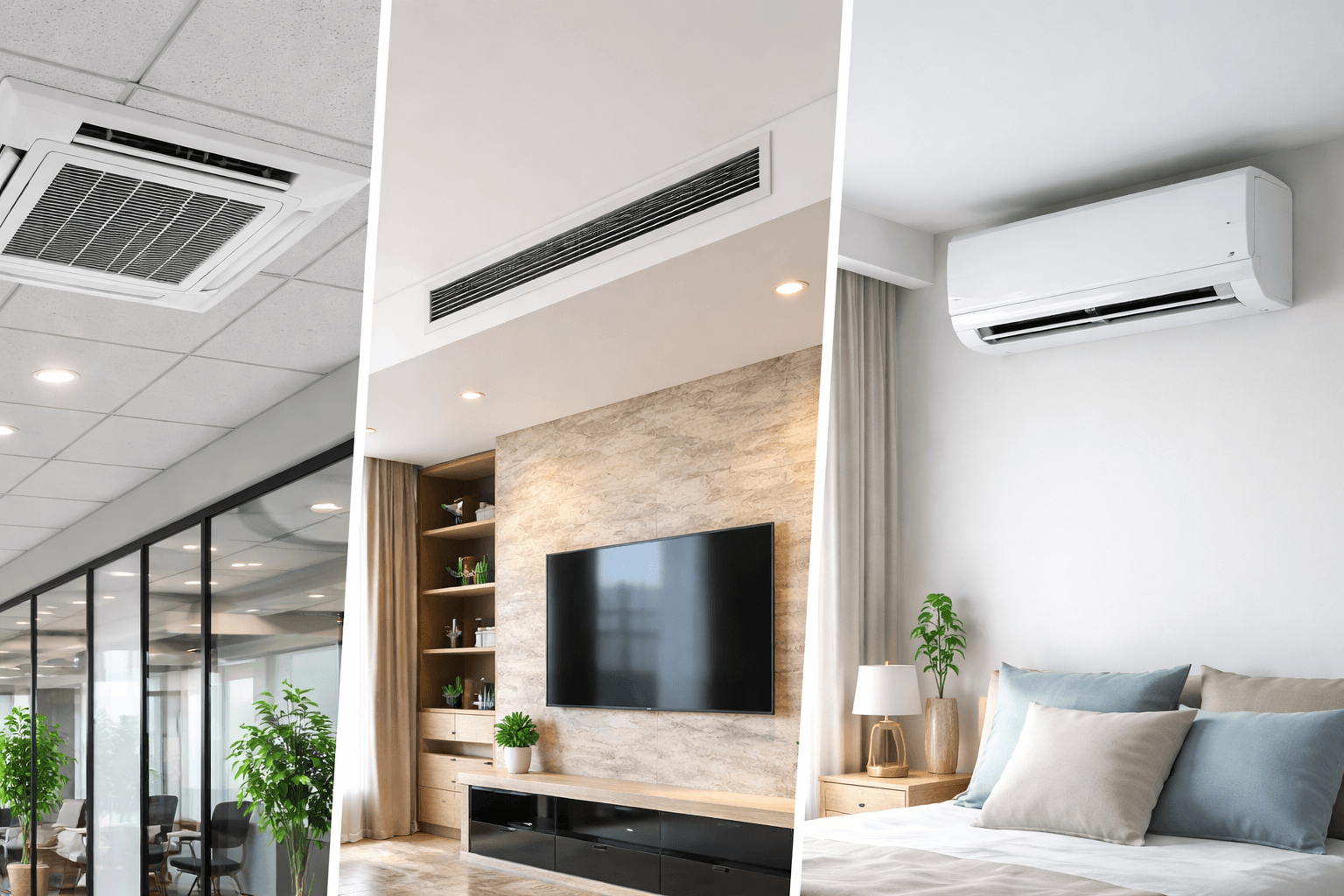
Cooling a modern building isn’t as simple as installing a couple of air conditioners anymore. Offices, hotels, apartments, they all have different rooms, different layouts and different cooling needs. That’s where VRF indoor units start to make a lot of sense.
A VRF system (Variable Refrigerant Flow) lets you control temperatures room by room instead of blasting the same cooling everywhere. It’s efficient, flexible and surprisingly quiet when designed properly.
Techno Power Aircons, which work deeply in the HVAC space, often help businesses and homeowners figure out what type of VRF setup actually suits their building. Because the truth is, the indoor unit you pick matters more than people think. Some buildings work better with ceiling cassette units. Others need ducted systems hidden above the ceiling. And sometimes a simple wall-mounted unit does the job perfectly.
So let’s break it down in a practical way. Nothing overly technical, just what you actually need to know before choosing the right VRF indoor unit.
What Exactly Are VRF Indoor Units?
Think of VRF indoor units as the part of the system that actually sends cooled (or heated) air into your room. They connect to an outdoor unit using refrigerant piping and the whole system works together to manage temperatures across different spaces. Unlike traditional AC setups where the whole building cools at the same time, VRF systems allow separate zones.
One office room can stay cooler. Another meeting room can be warmer. Everyone stays comfortable. Because the setup can get technical, many building owners usually talk with an experienced AC dealer in Chennai before deciding the layout or number of units needed.
A few reasons people choose VRF indoor units:
- Energy-efficient cooling and heating
- Individual temperature control in each room
- Quiet operation
- Flexible installation options
- Lower maintenance needs over time
You’ll see them in offices, hotels, hospitals, retail stores and increasingly in residential projects too.
The Main Types of VRF Indoor Units
VRF systems support a few different indoor unit styles. The most common ones are:
- Ceiling cassette units
- Ducted units
- Wall-mounted units
Each one works best in a different type of space. Let’s go through them one by one.
Ceiling Cassette VRF Indoor Units
If you’ve walked into a modern office or showroom and noticed an AC unit sitting neatly in the ceiling grid, that’s probably a Cassette air conditioner. These units are installed within a false ceiling and distribute air across the room from four directions. Because they sit flush with the ceiling, they don’t interfere with walls or furniture. That’s one big reason interior designers love them.
In fact, there’s a whole discussion around this topic in Ceiling Cassette Air Conditioner: Why Designers Prefer It and it mostly comes down to aesthetics and even air distribution.
Why cassette units are popular
- Installed neatly inside the ceiling
- Four-way airflow spreads cooling evenly
- Works well for larger open areas
- Doesn’t disturb interior design
- Great for false ceiling setups
Retail stores, offices and restaurants often choose this option because it keeps the room looking clean while still cooling efficiently.
If you’re planning something similar, working with experienced Cassette AC Dealers in Chennai can help you choose the correct capacity and positioning.
Where cassette units work best
You’ll usually find them in:
- Corporate offices
- Retail showrooms
- Cafes and restaurants
- Hotels and hospitality spaces
- Meeting rooms
Anywhere there’s a large open room, cassette units tend to perform really well.
Ducted VRF Indoor Units
Ducted systems are a little different. Instead of a visible indoor unit in each room, the system hides above the ceiling and pushes air through ducts. All you see are vents.
Many buildings prefer Ductable air conditioners for exactly this reason, the cooling system is practically invisible.
Advantages of ducted VRF units
- Completely concealed installation
- Cooling distributed through vents
- Can serve multiple rooms
- Quiet operation
- Consistent airflow across spaces
Large commercial projects often speak with a Ductable AC Dealer in Chennai to design proper duct layouts. The planning stage matters a lot here because airflow distribution needs to be balanced across rooms.
Typical places where ducted units are used
- Luxury homes
- Resorts and hotels
- Hospitals
- Large offices
- Shopping malls
When aesthetics and uniform cooling are priorities, ducted systems are usually the preferred choice.
Wall-Mounted VRF Indoor Units
Now this one looks very familiar. A wall-mounted VRF unit resembles a standard Split AC, mounted on the wall, compact and pretty straightforward. But unlike regular split systems, these units operate as part of a VRF network.
Features of wall-mounted VRF units
- Simple installation
- Compact design
- Good for smaller rooms
- Independent temperature control
- Cost-effective within VRF systems
Many homeowners compare these units with regular split systems before deciding. That’s why people often speak with Split Ac Dealers in Chennai to understand the difference between traditional splits and VRF options.
Best places to use wall-mounted units
They’re commonly used in:
- Bedrooms
- Small offices
- Apartments
- Meeting rooms
If a room doesn’t need a large system, wall-mounted VRF units can be a practical option.
Why VRF Systems Are More Energy Efficient
One of the biggest reasons businesses switch to VRF AC systems is energy efficiency. Traditional air conditioners run at full power even when cooling demand is low. VRF systems don’t work that way. They adjust refrigerant flow depending on how much cooling each zone actually needs. So if only a few rooms require cooling, the system reduces load automatically.
When installed properly through experts offering VRF AC installation in Chennai, the savings can be noticeable over time.
Energy advantages include
- Lower electricity consumption
- Smart temperature regulation
- Reduced operating costs
- Longer system lifespan
Large facilities often combine VRF with broader HVAC strategies to improve overall building efficiency.
How to Choose the Right VRF Indoor Unit
There’s no single “best” indoor unit. It really depends on the building. A few factors usually guide the decision:
Room size and layout
Large open spaces work well with cassette or ducted systems. Smaller rooms can easily use wall-mounted units.
Interior design
If aesthetics matter a lot, concealed systems like ducted units are usually preferred.
Cooling capacity
Proper load calculations are critical. Companies handling VRF AC installation in Tamil Nadu typically perform site assessments before recommending equipment.
Maintenance planning
Ongoing servicing matters too. Many commercial buildings opt for AC AMC in Chennai to keep systems running smoothly year-round.
Why Businesses Are Choosing VRF Systems
Over the past few years, VRF technology has become increasingly common in commercial buildings. It offers flexibility, better energy management and scalable cooling solutions. Many building owners prefer working with certified VRF/ VRV AC dealers in Chennai to ensure proper system design and installation.
Experienced VRF AC dealers in Tamil Nadu often provide end-to-end support, including design consultation, installation and servicing. In large facilities, VRF may also be integrated with VRF/VRV, AHU Air Conditioners to handle high-capacity cooling requirements.
Why Professional Installation Matters
Even the best equipment can underperform if it’s installed poorly. VRF systems require careful planning, refrigerant piping, airflow distribution, load calculations and zoning all play a role. Reliable providers like Techno Aircons usually manage the process end-to-end, ensuring systems are installed correctly and operate efficiently.
We also coordinate with trusted AC Spare Parts Dealers in Chennai so genuine components are always available when needed. When everything is planned properly, VRF systems can run smoothly for many years.
Final Thoughts
Choosing the right VRF indoor units can make a huge difference in how comfortable and efficient a building feels. Ceiling cassette units work beautifully in open commercial spaces. Ducted systems hide cooling completely. Wall-mounted units handle smaller rooms easily. The key is designing the system properly from the start.
Planning a VRF System?
If you’re thinking about installing a VRF AC system, the team at Techno Power Aircons can guide you through the entire process from system design to VRF AC installation and ongoing support. Whether it’s a commercial building or a residential project, our specialists in HVAC solutions can help you find a setup that actually works for your space.
Reach out to us and explore the right VRF solution for your property.
Frequently Asked Questions
What are VRF indoor units?
VRF indoor units are the components that deliver cooled or heated air into rooms within a VRF system. Each unit can control temperature independently.
Which VRF indoor unit works best for offices?
Ceiling cassette and ducted units are commonly used because they distribute air evenly and keep interiors visually clean.
Are VRF systems energy efficient?
Yes. VRF systems adjust refrigerant flow based on real cooling demand, which reduces energy usage compared to conventional systems.
Can VRF systems be used in homes?
Absolutely. Many homes install wall-mounted or ducted VRF units for efficient and flexible cooling.
How long do VRF systems last?
With proper installation and maintenance, a VRF system can typically last 12-15 years or even longer.
Leave a Reply