
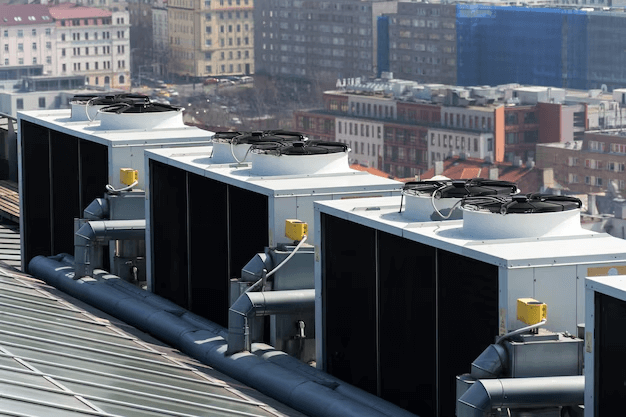
Why your 15-year investment deserves “Heavy Duty” Engineering
Choosing an HVAC system for your office or home isn’t just about the first day of cooling; it’s about Year 5, Year 10 and Year 15. Recently, the market has seen a shift toward local mass manufacturing, which has led to noticeable differences in long-term durability.
The Comparison: At a Glance
| Feature | Mitsubishi Heavy Industries (MHI) | Localized “Market Leader” Systems |
|---|---|---|
| Manufacturing Philosophy | Heavy Engineering Heritage: Components are built to industrial standards in global centers of excellence. | Mass Consumer Focus: Shift toward local assembly to reduce costs, often at the expense of component grade. |
| Compressor Technology | 3D Scroll Compressor: Superior liquid slugging resistance and smoother operation at part-loads. | Standard Swing/Scroll: More prone to wear and tear during frequent voltage fluctuations. |
| Tropical Resilience | True 52°C Capability: Engineered for extreme Indian summers without “tripping” or losing capacity. | Performance De-rating: Many localized units struggle to maintain cooling when temperatures cross 42°C. |
| Coastal Protection | Standard Blue Fin Coating: High-grade anti-corrosion as a standard feature for humid cities like Chennai. | Variable Protection: Localized models often use thinner fins to save costs, leading to faster “gas leak” issues. |
Why the “Durability Gap” is Growing
- Component Sourcing: When a brand localizes heavily, they often source smaller components (fans, PC boards, sensors) from local vendors to meet “Make in India” targets. While good for the economy, these parts often lack the rigorous stress-testing of MHI’s global supply chain.
- Frequent Inverter Failures: We are seeing a rise in “PCB Burnouts” in localized systems. MHI uses heavy-duty power modules designed to handle the “dirty power” and voltage swings common in our region.
- Piping Integrity: The “thickness” and quality of the internal copper and heat exchangers in MHI systems are significantly higher, preventing the “micro-leaks” that often plague mass-produced VRV units after just 2-3 years.
The Director’s Verdict
“I’ve seen many clients choose a system to save 10% on the initial cost, only to spend 30% more on repairs and gas refills within the first three years. At Techno Power Aircons, we recommend Mitsubishi Heavy Industries because we believe in ‘Install & Forget’-not ‘Install & Regret’.” – Ashwin Ravi Kumar, Director
Leave a Reply